
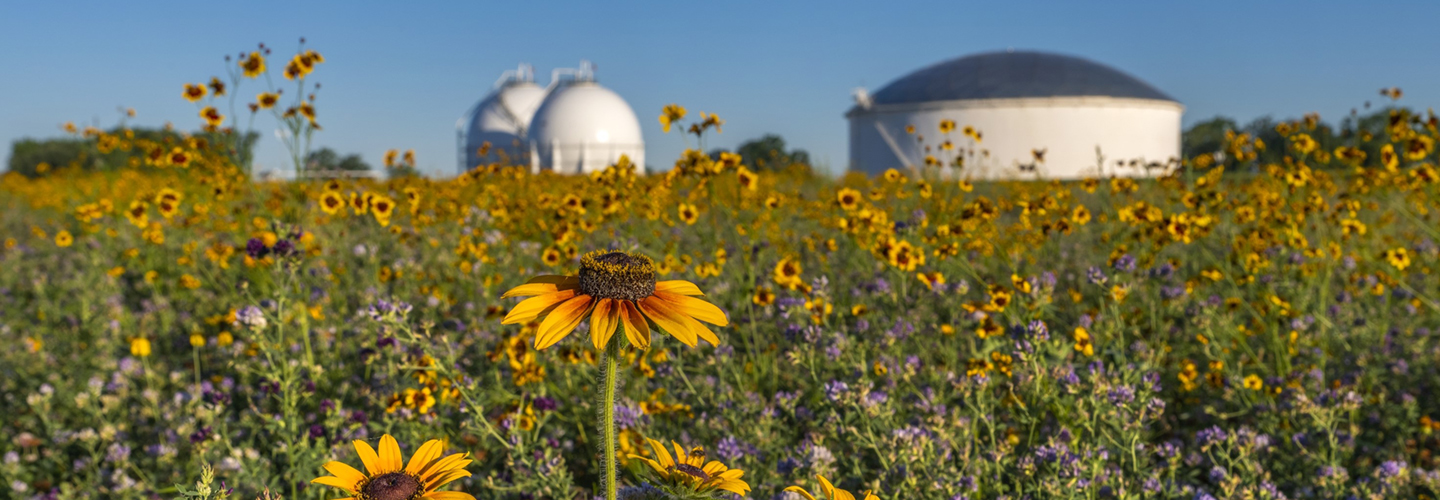
Sustainable Landscapes
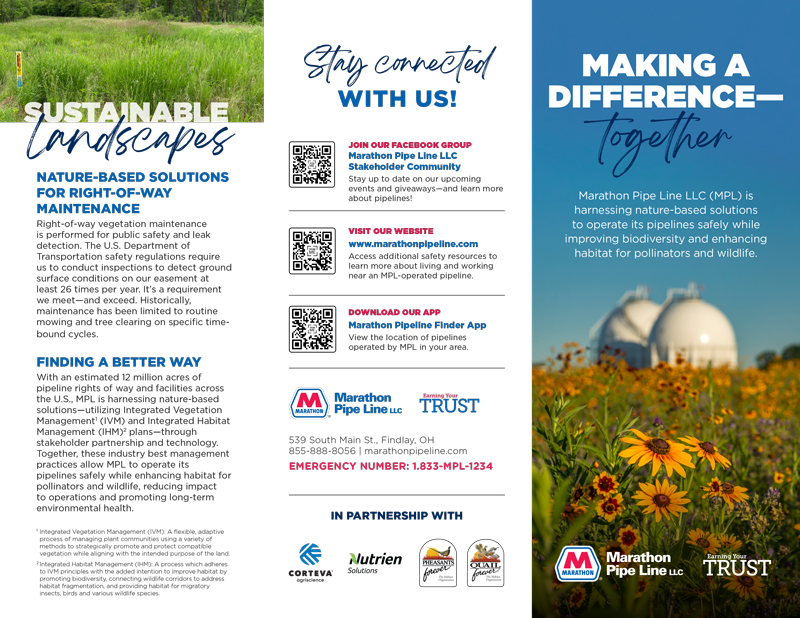
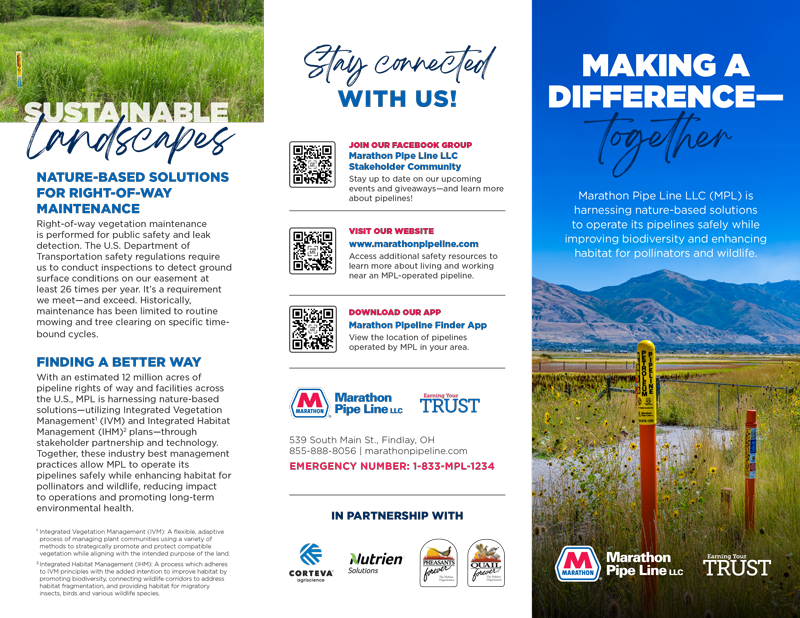
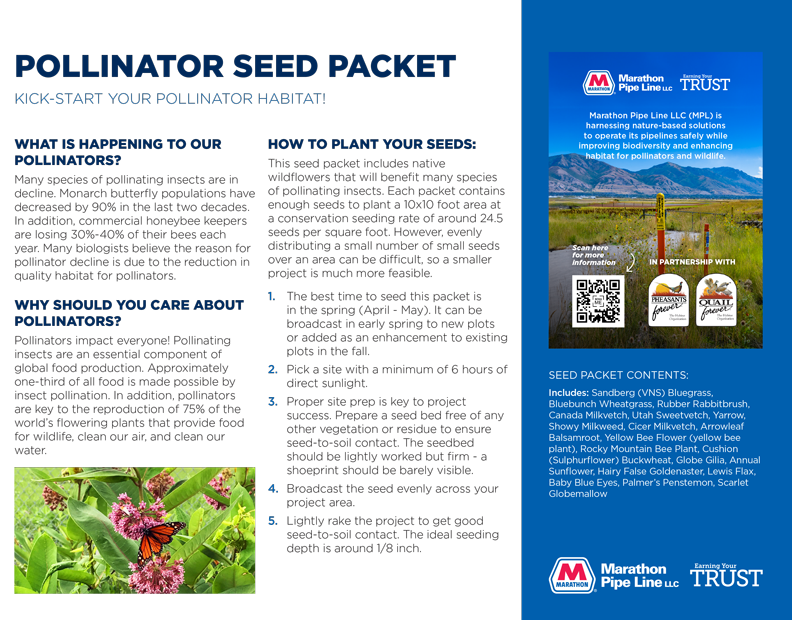
Our new approach to vegetation management uses nature-based solutions to operate our pipelines safely and reliably, while improving biodiversity and enhancing habitat for pollinators and wildlife.
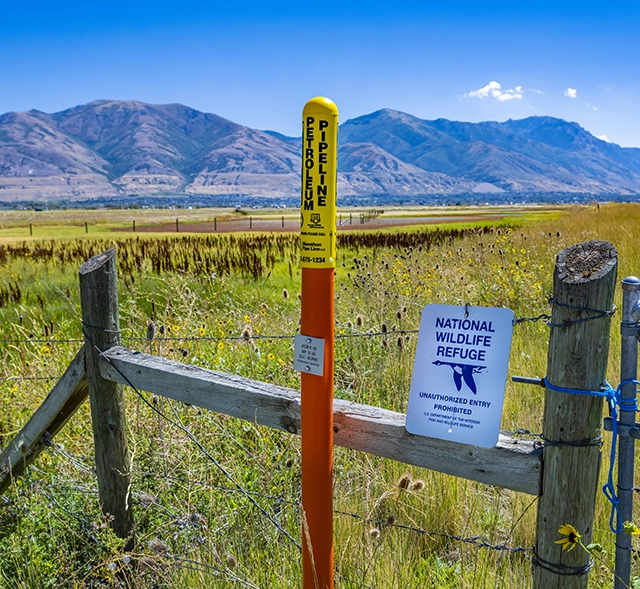
Enhanced Vegetation Maintenance
We prioritize right-of-way vegetation maintenance for public safety and leak detection. Historically, our maintenance involved routine mowing and tree clearing on set cycles. This approach allowed us to inspect ground surface conditions on our easements at least 26 times per year, a regulatory requirement that we continually meet and exceed.
Today, we've enhanced our right-of-way maintenance approach by adding nature-based solutions — Integrated Vegetation Management and Integrated Habitat Management. Together, these solutions transform our rights of way into sustainable landscapes, while still allowing us to inspect ground surface conditions of our easements and meet regulatory requirements.
Learn More About Right-of-Way Inspections
Benefits of Sustainable Landscapes
Biodiversity
Creates sustainable, healthy ecosystems while improving biodiversity.
Control
Enables long-term control of incompatible and invasive species.
Respect
Minimizes disturbances for landowners and right of way.

Biodiversity Target
We exceeded our goal of applying sustainable landscapes to ~10,000 acres, or 50% of compatible rights of way, by the end of 2025.

The image above is a cross-section of the sustainable landscapes concept. The extensive root systems of compatible plants offer numerous benefits, including enhanced soil stability, improved water quality, creation of wildlife habitats, and long-term control of incompatible vegetation, such as trees and other woody plants, along the right of way.
Pathway to Sustainable Landscapes
Maintaining right-of-way vegetation through sustainable landscapes is a multiyear and multistep cycle.
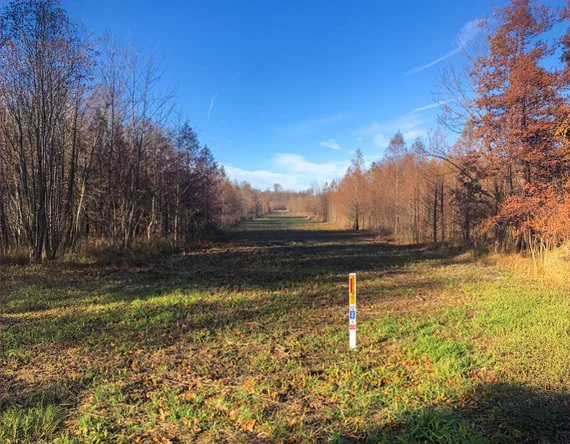
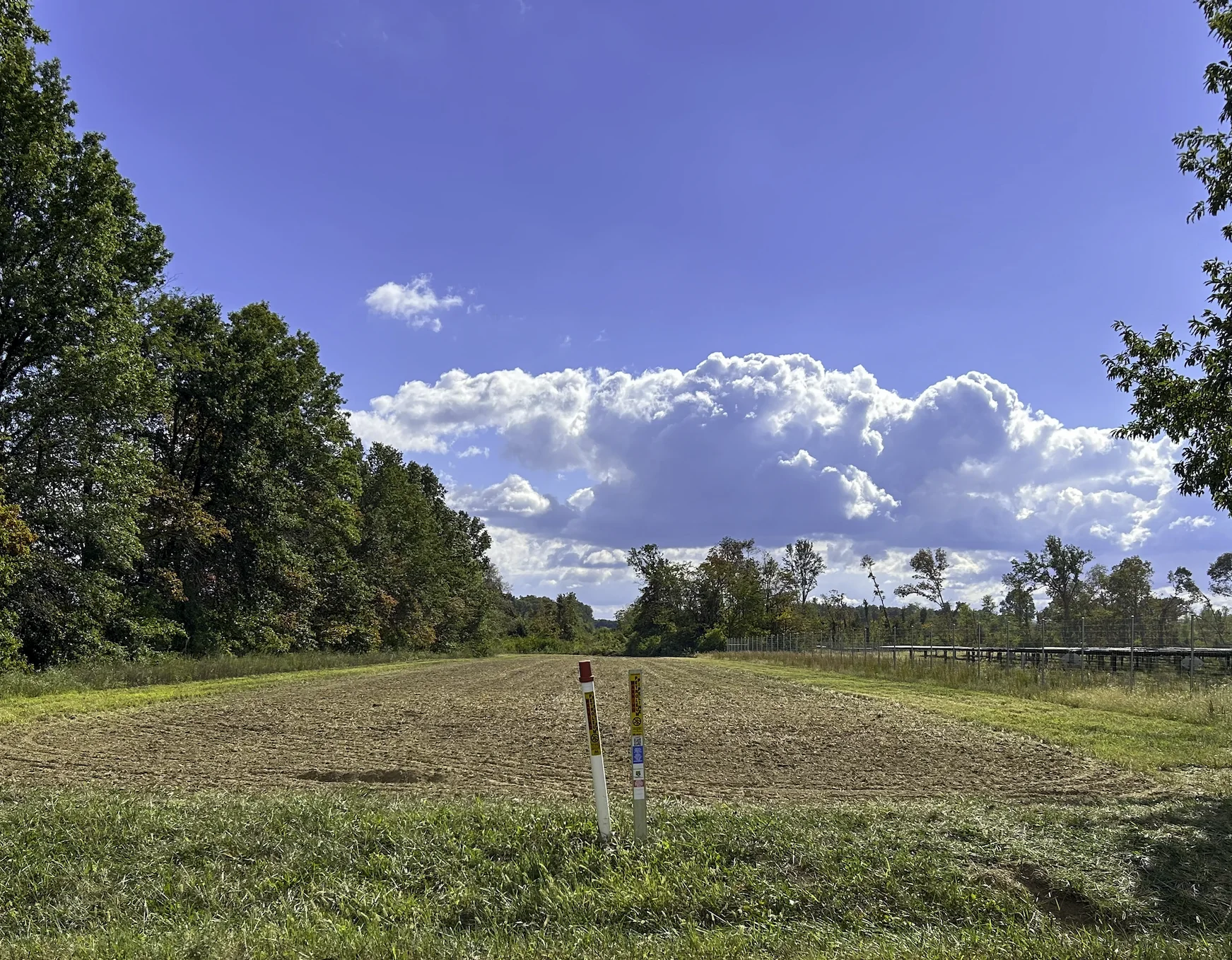
Step 1
Evaluating Vegetation and Setting Site Goals
Landowners and partners are engaged in the evaluation process to set goals specific to location, land use, habitats, species, and other criteria.
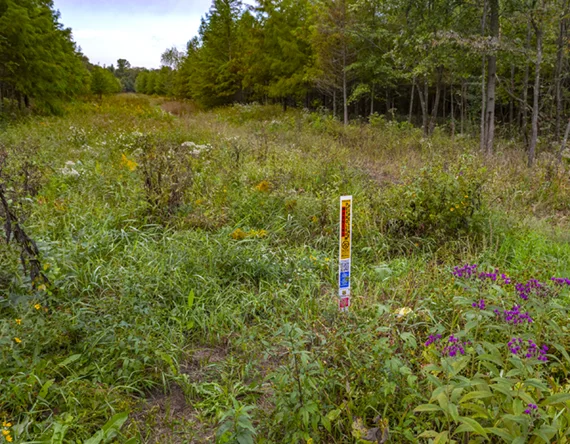
Step 2
Developing Implementation Plans
Plans consider site-specific goals to promote native species, increase pollinator plants, promote water quality and soil stabilization, and connect fragmented habitats. Plans prioritize pollinator and grassland habitats that provide critical habitats for threatened and endangered species.
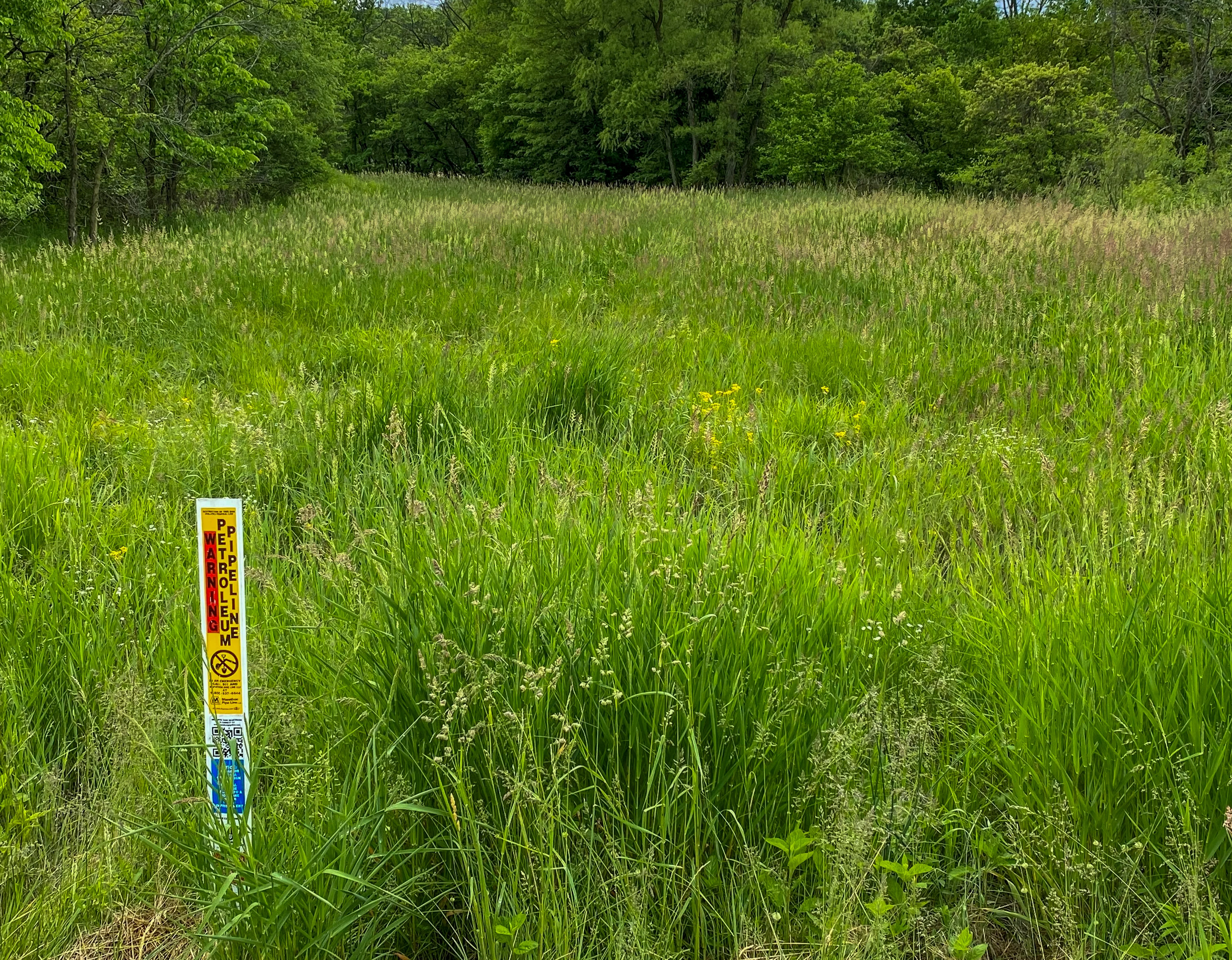
Step 3
Executing the Plan
Plans are executed in conjunction with contractors and partners, and documented using robust mapping technology to track progress and achieve desired outcomes.
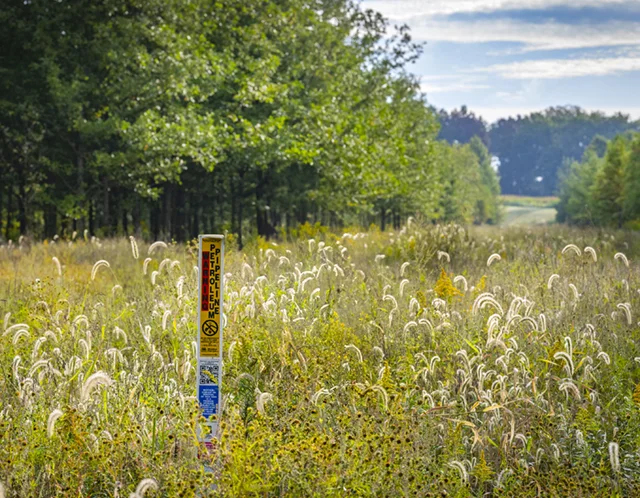
Step 4
Monitoring the Plan
Plans are monitored to confirm that execution is achieving planned objectives.
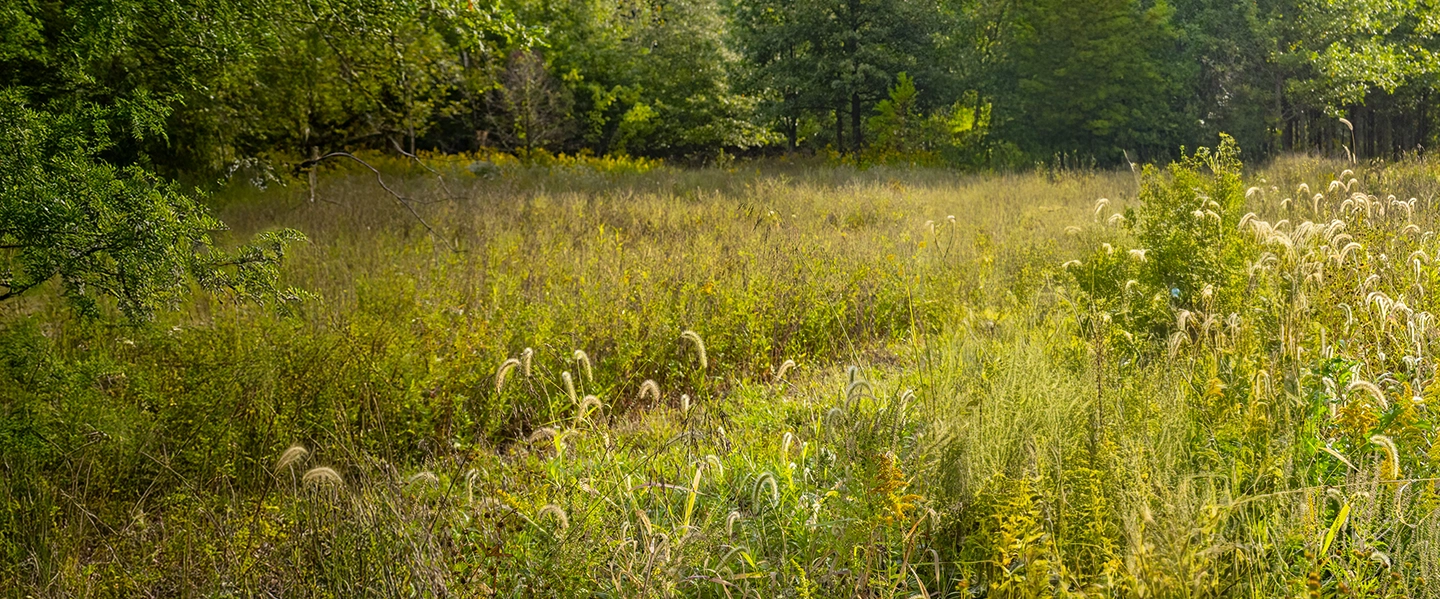
Step 5
Evaluating Success
Success is evaluated by verifying that all criteria have been met within the executed plan.
Vegetation Management Methods
When vegetation is incompatible, invasive, or could interfere with the safe and reliable operations of the pipeline, we use selective removal techniques to maintain a balanced and sustainable landscape.
-
Conservation Mowing
Adjusting mowing schedules and mower height throughout the year helps protect ground-nesting birds and avoids disturbing wildlife during critical migration periods. -
Selective Herbicide
Applying U.S. EPA-approved products to target invasive or incompatible plant species mitigates impacts to native vegetation. -
Enhanced Planting
Planting seeds that attract pollinators, or provide food to boost biodiversity, helps crowd out incompatible or invasive plants. -
Hand Clearing
Clearing woody plants by hand and using targeted treatments helps minimize disruption in the area.
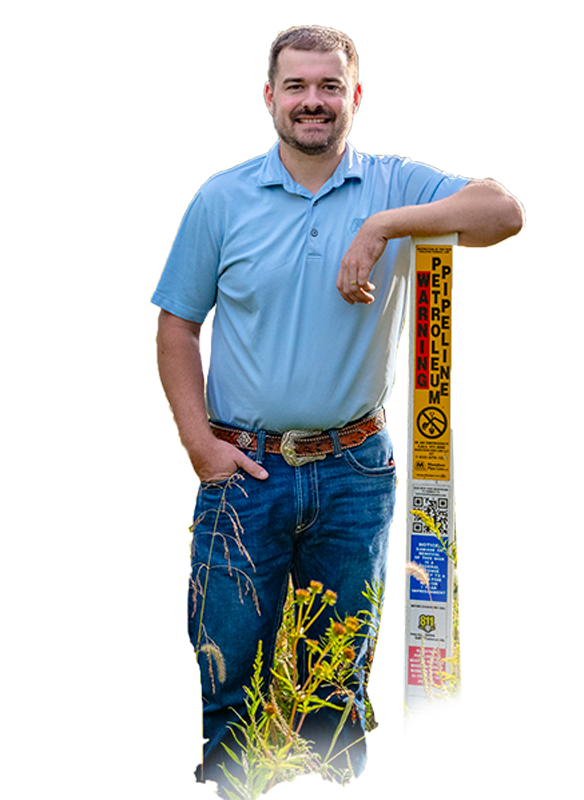
"MPL’s nature-based approach helps landowners transform their property into thriving landscapes that support pollinators, birds, and other wildlife. It’s a win for both safety and stewardship."
Kendal Bruner
Right-of-Way Specialist, MPL
Additional Resources
Related Articles
How are we making a sustainable difference? Discover our latest articles on conservation agriculture and landscape innovation.
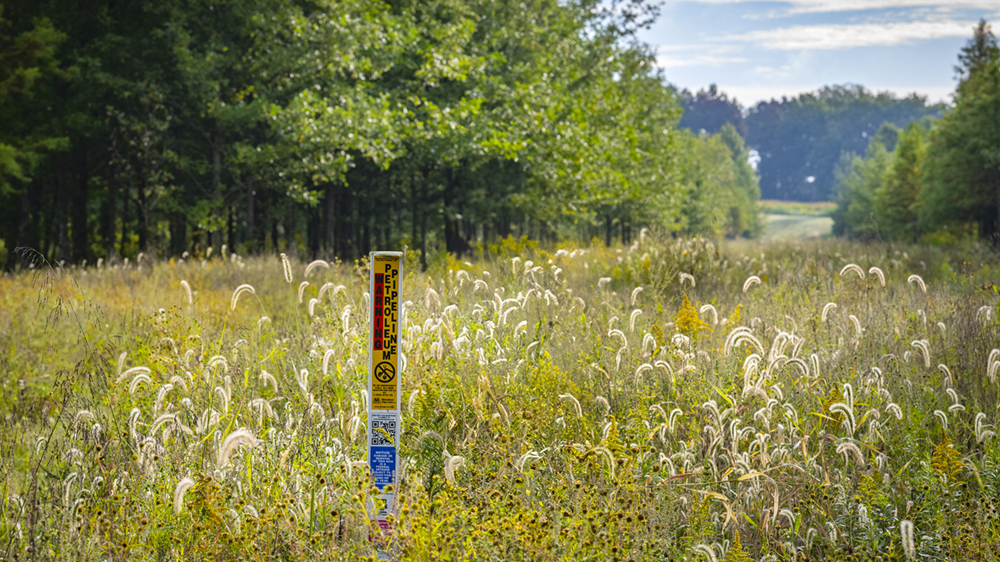
Environmental Stewardship: Marathon Pipe Line Sustainable Landscapes Program reaches 10,000-acre goal
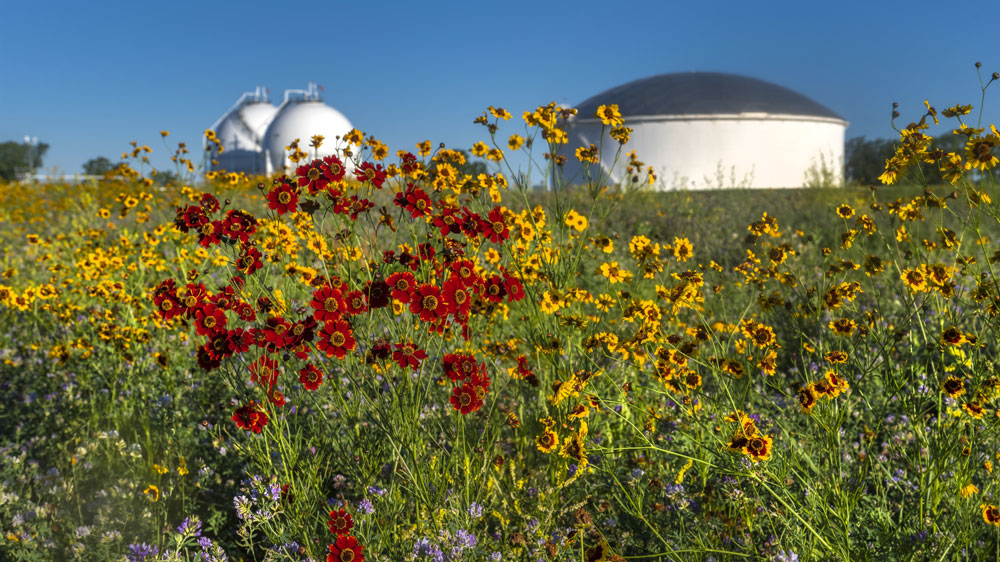
Taking proactive measures to mitigate biodiversity impacts

Marathon Pipe Line's passion for biodiversity continues to bloom
Working Together
Join us in creating sustainable rights-of-way that protect pipelines, support wildlife, and enrich communities.