
Integrity Management
At Marathon Pipe Line LLC (MPL), we prioritize safe and reliable energy transportation by proactively managing pipeline safety and integrity.
Advancing Pipeline Integrity
MPL is committed to enhancing our pipeline integrity programs to advance the industry and promote safe and reliable operations.
Safe and Reliable Operations
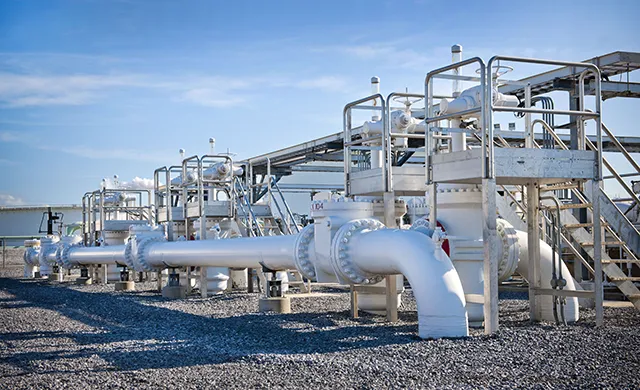
Trained personnel practice comprehensive, risk-based integrity management to verify pipeline safety and reliability, and protect the communities where we operate. Pipeline operators are extra vigilant in monitoring areas where a pipeline incident could affect dense populations, drinking water, ecosystems, or commercially navigable waterways.
Risk-Based Safety Practices
Integrity management practices applied to mitigate safety risks include inspecting and monitoring for excavator damage, corrosion, cracks, dents, operator error, equipment failure, geohazards, or weather events.
Operator Qualification
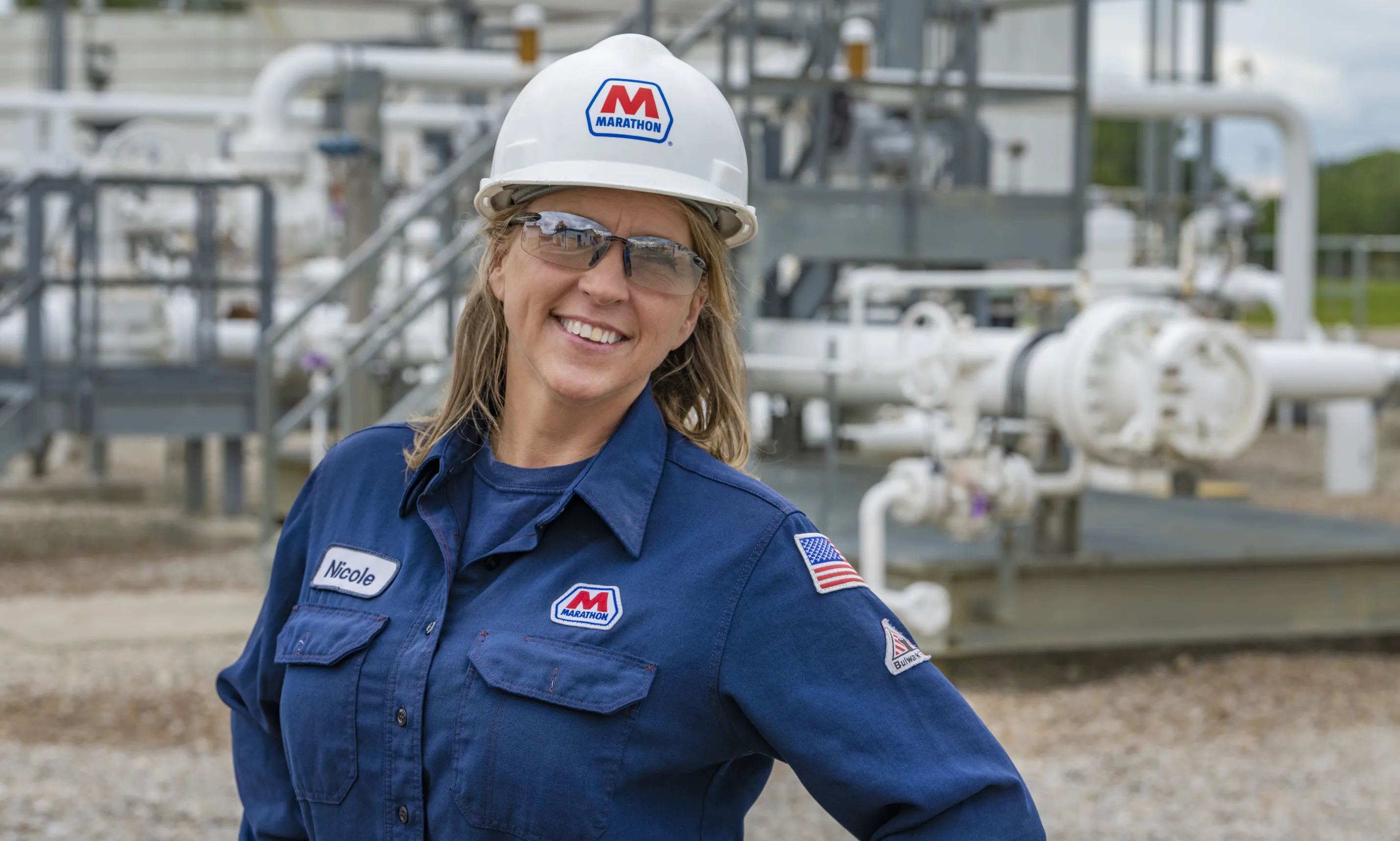
MPL's Operator Qualification Program is compliant with the U.S. Department of Transportation (DOT) regulatory requirements specified in 49 CFR Part 195, Subpart G and 49 CFR Part 192, Subpart N. Only qualified personnel perform our pipeline operations and maintenance work.
Design and Construction Standards
Pipelines are designed and constructed to meet or exceed the pipeline construction requirements provided by DOT, Pipeline and Hazardous Materials Safety Administration (PHMSA), American Society of Mechanical Engineers (ASME), American Petroleum Institute (API), and others.
Built to Operate Safely
The pipeline construction process involves a series of controlled steps, including but not limited to route and material selection, regulatory permitting, site preparation, welding, testing, and site restoration. Our internal standards provide detailed guidelines for each step. Rigorous inspection and quality control procedures confirm asset integrity, reliability, and safety.
Stages of Pipeline Construction
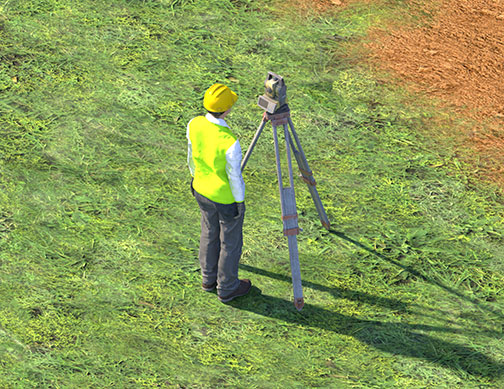
Stage 1
Survey and Preconstruction
- Crews begin by surveying the potential route, evaluating ways to minimize ecological and geological impacts.
- Narrow strips of land, called rights-of-way, are acquired for installation of the pipeline and to host on-site construction activity.
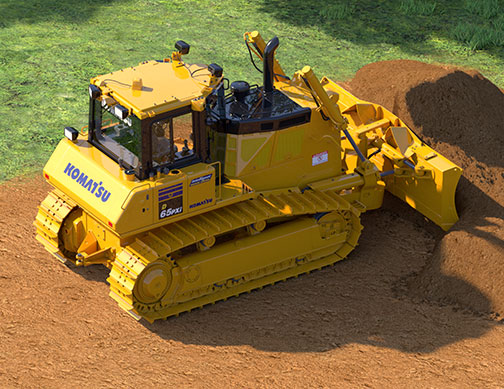
Stage 2
Clearing
- The right of way is cleared by removing trees, brush, and rock so that the path is free from obstructions.
- Topsoil is stockpiled for eventual reclamation.
- The right of way is leveled and graded to provide access for construction equipment.
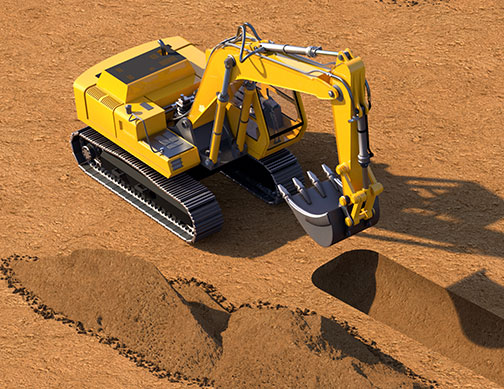
Stage 3
Trenching
- A trench is dug using a trencher or excavator.
- In some areas, the pipe is installed with a trenchless process by boring under waterways, roads, or railroads.
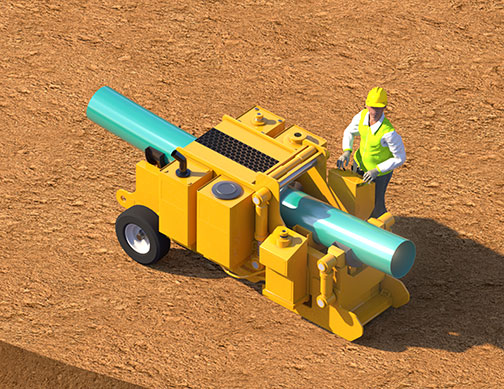
Stage 4
Pipe Stringing
- Individual pieces of pipe are laid end to end along the right of way.
- The pipe is bent to fit the terrain using a specialized hydraulic bending machine.
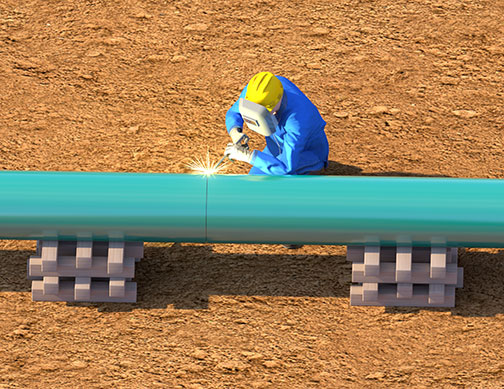
Stage 5
Welding and Pipe Inspection
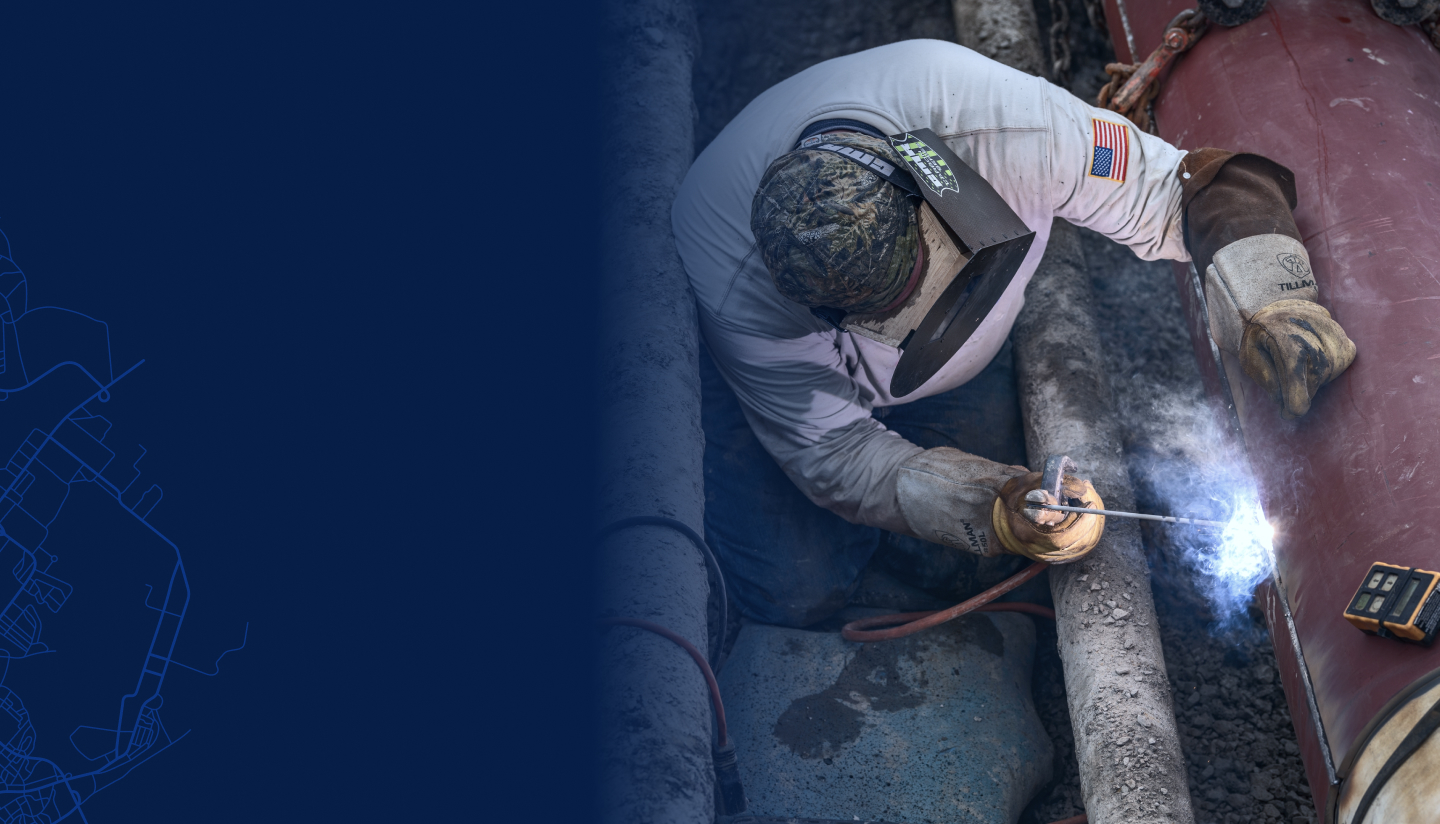
- Welders join the pipes together using both manual and automated welding technologies.
- The welds are then inspected and certified by X-ray or ultrasonics.
- Protective pipe coating is applied across the welds and inspected to verify quality.
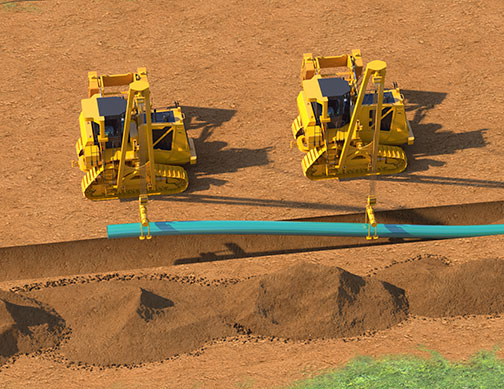
Stage 6
Lowering Pipe and Backfilling
- The welded pipe is carefully placed into the trench using heavy equipment and buried at a minimum depth of four feet.
- Valves and other fittings are installed on the pipe.
- The pipe is padded using filtered native soil to keep rock and other impediments from resting along the pipe.
- Topsoil is replaced in the sequence in which it was removed, and the land is re-contoured.
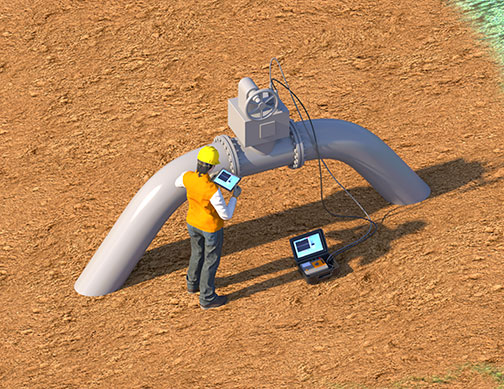
Stage 7
Testing
- The pipeline is pressure tested using water. In-line inspection tools are sent through the pipeline to confirm its structural and mechanical integrity.
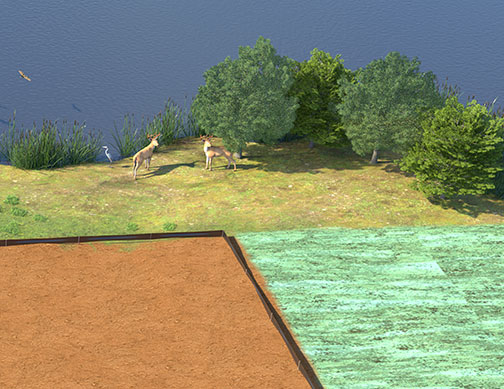
Stage 8
Restoration
- Temporary facilities are removed.
- All impacted land is reseeded for restoration.
Equipment Inspections and Maintenance
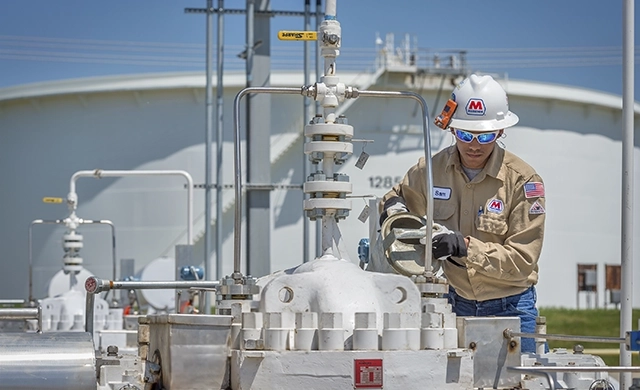
Keeping pipelines operating safely requires inspections, testing and preventative maintenance. Regularly inspecting meters, block valves, pressure relief valves, communication devices and other pipeline equipment validates sound integrity and proper functionality. When necessary, repairs are made to maintain safe operations and to implement additional risk mitigations.
Corrosion Control
The pipelines we operate are made from steel and are at risk of corrosion. There are three lines of defense that we use to prevent corrosion and keep our pipelines operating safely.
Protective Coatings
Coatings are applied to the outside of pipelines and storage tanks. This coating helps to prevent corrosion caused by exposure to soil and water. Anti-corrosive chemical injections help to protect pipelines and storage tanks against internal corrosion.
Cathodic Protection
Cathodic protection systems consist of rectifiers and ground beds that send a small electric current through the soil and water to help protect the pipeline.
Cathodic Protection System Inspections
Rectifier and critical bond readings are captured bi-monthly, and full cathodic protection surveys are completed for every pipeline annually.
Internal Inspections
MPL is committed to safely operating assets to protect the public and environment through operational practices and technology focused on zero spills. We deploy multiple inspection methods including in-line, hydrostatic, above-ground and waterway crossing inspections to assess pipeline integrity and perform preventive maintenance.
In-Line Inspection Tools
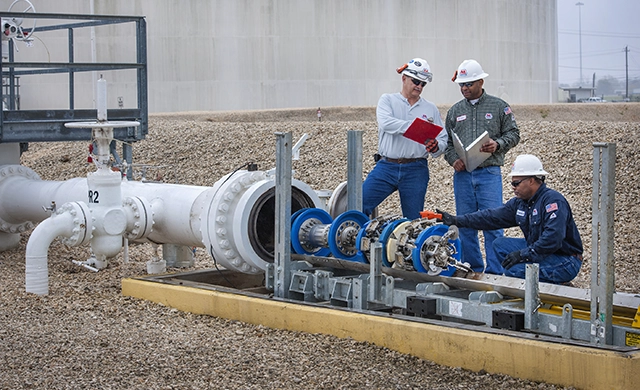
In-line inspection tools, or “smart pigs,” are used to conduct maintenance operations by scanning the inside of pipelines. These tools measure a pipe's walls for signs of dents, corrosion, cracking, and land movement. In-line inspections are conducted at least once every five years for regulated liquid pipelines, and at least once every seven years for regulated gas transmission pipelines. Similar technologies are used to scan tank floors, walls, and roofs to ensure continued safe operation. Regulated tanks are inspected at least once every 20 years.
Hydrostatic Inspections
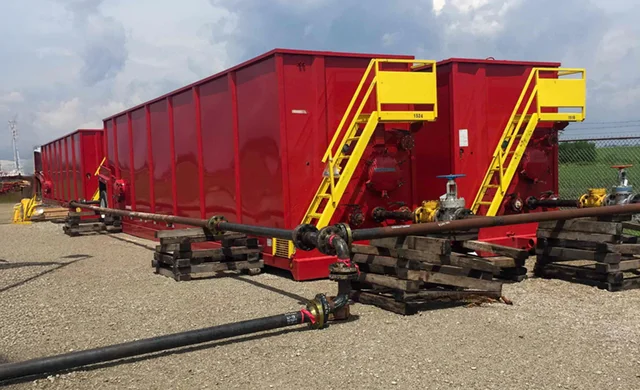
Hydrotest inspections allow us to test the integrity of the pipelines we operate under environmentally safe conditions. During a hydrotest inspection, a portion of the pipeline is filled with water. Pumps are then utilized to increase pressure to test the pipeline for a specific period of time.
Waterway Crossing Inspections
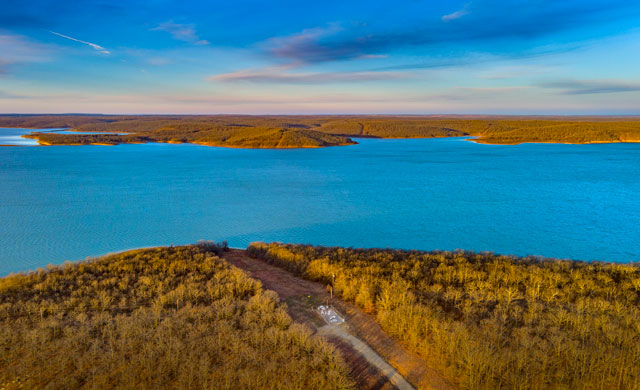
Waterway crossing inspections help us examine MPL pipelines located under streams, rivers, and lakes. High-resolution sonar equipment is used to inspect underwater pipelines and determine whether erosion and water channel changes could impact the pipe. These inspections are conducted at least once every five years for both regulated liquid and regulated gas transmission pipelines.
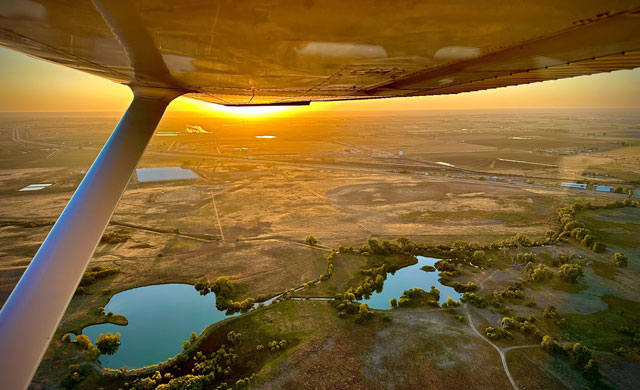
Above-Ground Inspections
Above-ground inspections involve visually inspecting pipeline routes with air and/or ground patrols to detect land disturbances and pipeline spills. These inspections are conducted at least once every three weeks for regulated liquid pipelines, and at least once each calendar year for regulated gas transmission pipelines.
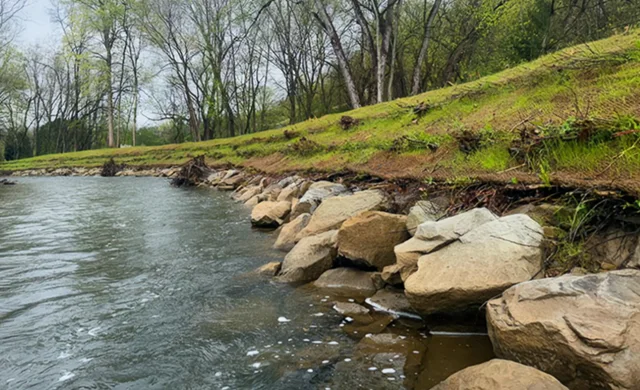
Geohazard Management Program
Geohazard management is used to monitor, assess, and remediate potential hazards associated with both earth movement and waterways. The program includes training operations personnel, conducting regular inspections by geotechnical and hydrotechnical professionals, and applying light detection and ranging (LiDAR), as well as in-line inspections.
To help landowners and farmers reduce soil erosion and increase ground stability, sustainable landscapes are applied as a nature-based solution on pipeline rights-of-way, which also supports conservation efforts for pollinators and wildlife.
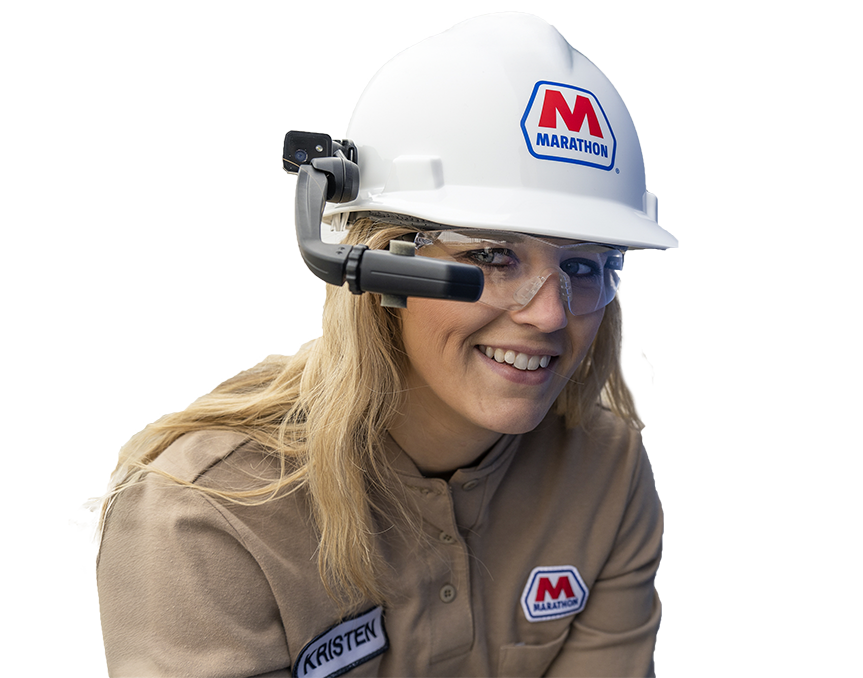
“Safeguarding the communities where we operate is our top priority at MPL. Our commitment to maintaining pipeline safety, integrity and reliability is critical to our business and to protecting the public and the environment.”
Kristen Schnipke
Integrity Engineering Director, MPL
Working Together
At MPL, we're committed to earning your trust, delivering timely information, and maintaining open communications. Let us answer your pipeline safety questions.