

Landowners and Residents
At Marathon Pipe Line LLC (MPL), we understand and prioritize the needs of landowners and residents through meaningful two-way communication, safety resources and emergency preparedness.
-
Planning
We work with landowners and residents to plan the safe location of property improvements such as building a deck or patio, installing a fence, planting trees, etc. -
Responding
Our prompt response to 811 requests supports landowners and residents in locating buried pipelines on their properties and marking them for safe excavation and land use. -
Notifying
Before conducting routine inspections and ongoing maintenance of MPL-operated pipelines, we will notify property owners in a timely manner. -
Engaging
As part of our Earning Your Trust program, we engage with and communicate with community stakeholders about pipeline safety and the projects we are undertaking on their property.
Report a Pipeline Emergency
To report a potential leak, suspicious activity near an MPL-operated pipeline or facility, or if a pipeline is struck or exposed, call our 24/7 emergency number: 1-833-675-1234.
Where We Operate
We share nearly 10,000 miles of pipeline rights of way with communities across the United States. To learn more about the pipelines we operate and the products they transport, use the search function or zoom controls on our interactive map. Click any red line to view detailed information.
Pipeline Finder App
With the Pipeline Finder App, you can easily locate MPL-operated pipelines, access essential safety guidelines, and find emergency contacts.
Get Our Pipeline Finder App


Safe Digging
Digging near underground pipelines can cause damage, injury or death. Whether you plan to do it yourself or hire a contractor, smart digging means dialing 811 or going to your state 811 center’s website, at least three business days before digging to have buried utilities located and marked.
-
Notify Us
Contact your local Right-of Way Specialist before planning any type of construction project on or near the pipeline right of way. -
Report Activity
Call our 24/7 emergency phone number (1-833-675-1234) to report any unauthorized excavation, suspicious activities or a leak on or near the pipeline right of way.
Contact 811 Before All Digging Projects
With the possibility of multiple underground utilities located on your property, it's essential to know what lies below your landscape. Call 811 or go to call811.com before starting any excavation work on your property to help us prevent pipeline damage and protect the public.

Planting Trees or Shrubs
Installing a Driveway
Building a Deck or Patio
Digging a Pond or Swimming Pool
Installing a Fence
Installing a Mailbox Post

Steps for Safe Digging
Practice caution when developing your land. If an MPL pipeline crosses your property, do not excavate or obstruct the area by planting trees or vegetation that could impede access to the right of way. If you are planning a digging project, follow these steps:
- Call 811 at least three business days before digging or submit an online request at call811.com.
- Wait until underground facilities and utilities are marked.
- Dig carefully to avoid hitting cables or pipes.
Property Development Specifications
Property developments and improvements near our pipelines can be dangerous. To keep landowners and residents safe, we have established a guide on safe digging distances from our pipeline.
Setback Distances
| New house, business, etc. | 50' |
| Addition to an existing dwelling, etc. | 50' |
| Unoccupied permanent structure | 50' |
|
Garage |
50' |
|
Barn |
50' |
|
Deck and patio |
50' |
|
Swimming pool |
50' |
|
Pond |
50' |
| Semi-moveable structure | 25' |
| Garden shed | 25' |
| Septic tank and leach field | 25' |
| Telephone/light pole | 25' |
| Water well | 25' |
| Trees | 25' |
| Yard light or mailbox | 10' |
| Fence post | 5' |
NOTE: Site specific plans are requested whenever the structure distance cannot meet the setback requirements. If your proposed activity is not listed, please contact your Right-of-Way Specialist for additional information on setback distances.
 Hitting What’s Underground Can Hurt You
Damaging a petroleum pipeline can cause fire or explosion and pose a serious risk to public safety.
Signs of a Pipeline Leak
Use your sense of sight, hearing and smell to recognize and respond to a potential pipeline leak.

A rainbow sheen on water 
A pond of liquid on the ground 
A dense white cloud of fog 
Dead or discolored vegetation 
An unusual hissing or roaring noise 
An unusual odor, such as gasoline, oil, sulfur, or rotten egg
Steps to take in the Event of a Pipeline Leak
- Move as far away as possible in an upwind, uphill direction
- Call 911
- Call our 24-hour emergency number: 1-833-675-1234
- Keep away and keep others away from the area
Do Not:
- Walk through or touch any liquid or vapor that may have come from the pipeline
- Attempt to stop material from leaking, shut off valves, or put out a fire
- Create any source of ignition (starting an engine, turning switches on or off, etc.)
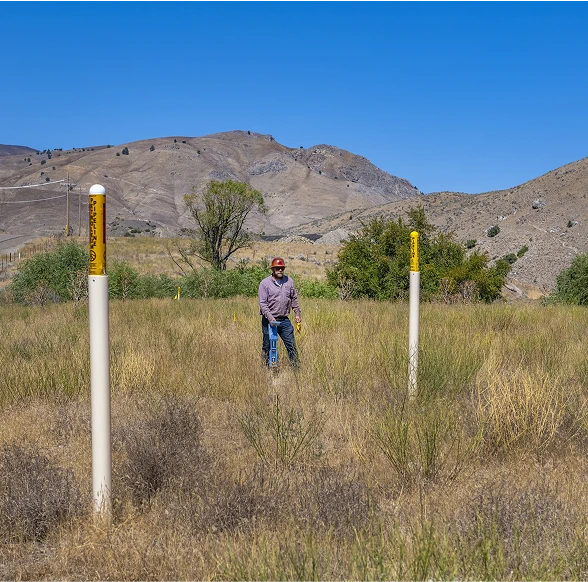
Inspection and Maintenance
An MPL representative will notify property owners in person, by mail, or by phone of any scheduled inspections or maintenance that requires us to access a right of way.
You will be notified of:
- Cathodic Protection Inspections
- Close Interval Surveys (view PDF)
- Depth-of-Cover Surveys (view PDF)
- Hydrotest Inspections (view PDF)
- In-Line Inspections (view PDF)
- Right-of-Way Assessment Walking Surveys (view PDF)
- Right-of-Way Clearing (View PDF)
- Vegetation Maintenance (View PDF)
- Waterway Crossing Inspections
Earning Your Trust
At MPL, we are all Guardians of Public Safety. Earning trust is at the heart of our mission to safely and reliably operate pipeline. We are here for you, no matter how many blocks, miles, or states apart we are. Your safety is our mission.
Safety Resources
These go-to resources offer guidance to landowners and residents on understanding pipeline safety risks, as well as how to prepare for land development and farming activities.

Stay Connected
Join Our Facebook Group:
Marathon Pipe Line LLC Stakeholder Community
Stay up-to-date on upcoming events and giveaways, and learn more about pipeline safety.
Working Together
At MPL, we're committed to earning your trust, delivering timely information, and maintaining open communications. Let us answer your pipeline safety questions.